








What about Jazz? America's premier original art form
If you're curious about jazz but don't know where to begin, I have recommendations to get you started with our extensive jazz CD collection.
Jazz is one of the few art forms that the United States can call its own. Its roots developed in the city of New Orleans in the early 20th Century. It is a living conversation between musicians that uses basic rules of harmony, rhythm and improvisation. Through the years jazz has evolved into several different categories. I’m just going to touch on a few with linked examples of albums the library owns to get you started.
Early Jazz and Dixieland
Originating in New Orleans during the 1900s, Dixieland was a blend of ragtime, blues and rhythms from Africa. It was also the beginning of improvisation, which would become a cornerstone in jazz. At this time improvisation was more of a collective of the group then solo-based, which developed later. You'll find a great example of this on the album Louis Armstrong and King Oliver.
Swing
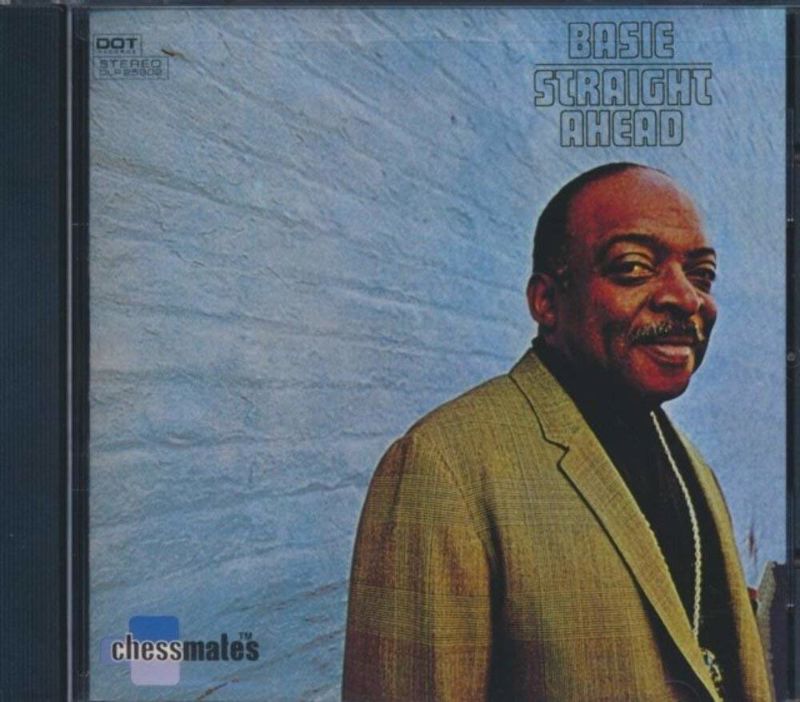 This what many people associate with jazz, the swinging big bands of the 1930s. Glenn Miller, Duke Ellington, Count Basie and Benny Goodman made their names during this time. Defined by rhythm sections, orchestrations and syncopation - Swing dominated the airwaves up until World War II.
Check out these great swing albums at the library:
Count Basie - Basie Straight Ahead
Duke Ellington - Ellington At Newport
Benny Goodman - The Famous 1938 Carnegie Hall Jazz Concert
Glen Miller - The Essential Glenn Miller
Bebop
By the mid 1940s jazz started changing from public hits to music for the musician's. Charlie Parker and Dizzy Gillespie largely pioneered this movement - defined by complex harmonies, fast tempos, with the emphasis on the improvising soloist in smaller groups rather then the large ensemble playing of the big bands.
Charlie Parker - Yardbird Suite
Dizzy Gillespie - The Complete RCA Victor Recordings
Cool Jazz
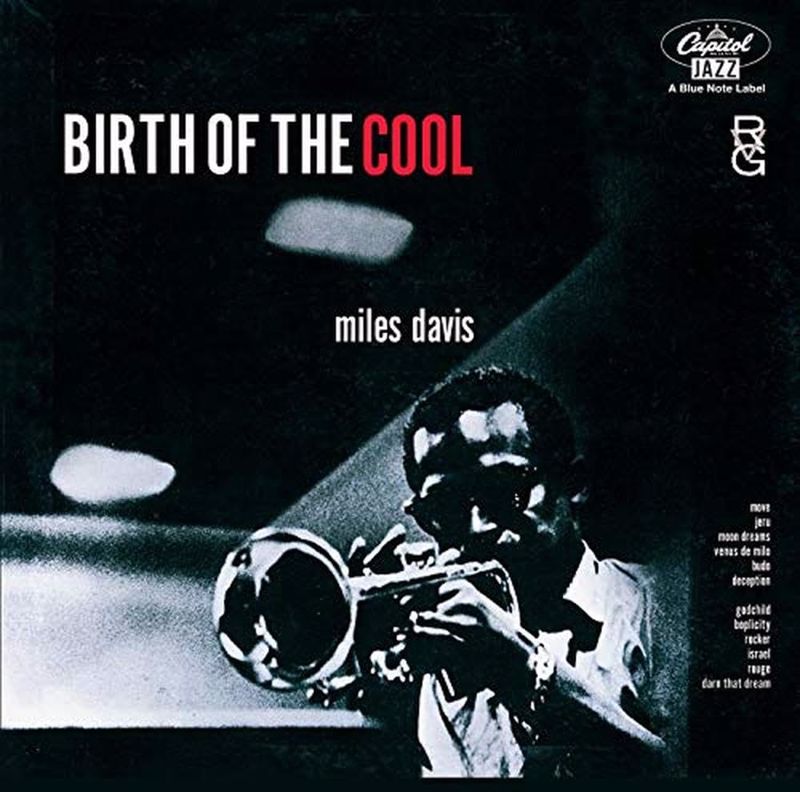 Cool jazz was a direct counterpoint to bebop, with slower tempos, simple harmonic structure and restraint on playing fewer notes. Miles Davis and Chet Baker are great examples of this style.
Miles Davis - Birth of the Cool
Chet Baker - In New York
Modern Big Band
Fusion of traditional swing with modern influences like hip-hop and electronic music. They often feature adventurous harmonies and high-level, virtuosic soloists. These large ensembles push the boundaries of jazz compositions and can be as complex as the modern symphony.
Maria Schneider - Evanescence
Lincoln Center Jazz Orchestra - They Came to Swing
One O'clock Lab Band and Neil Slater - Legacy
Smooth Jazz
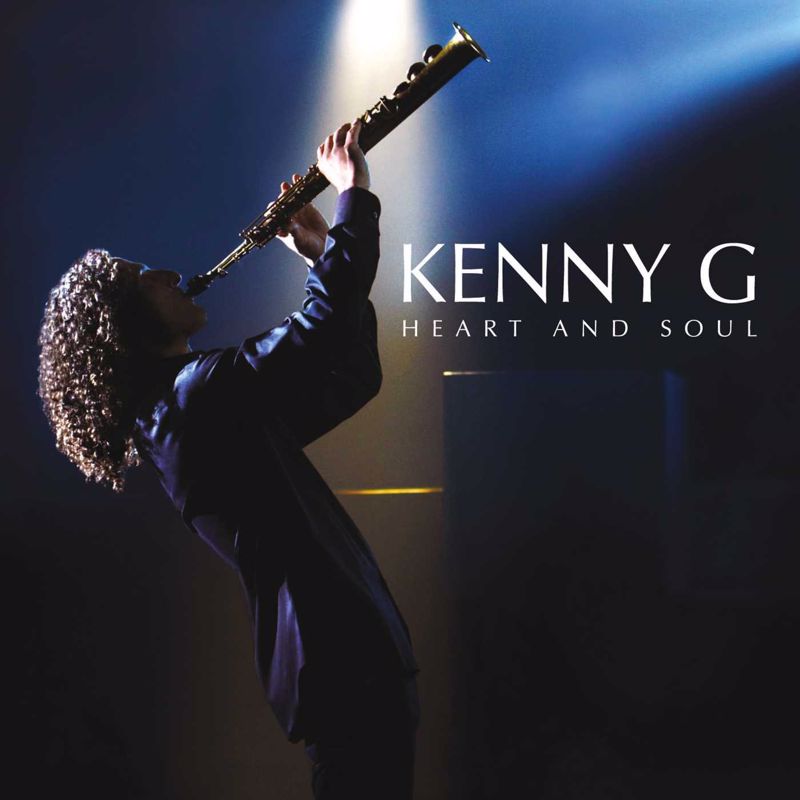 Smooth jazz developed in the 1970s with artists like Grover Washington Jr. and Chuck Mangione. Characterized as a combination of easy listening pop, R&B and an easily accessible melody. Kenny G was central to the peak of smooth jazz in the late 1980s and 1990s.
Kenny G - Heart and Soul
Chris Botti - The Very Best of Chris Botti
If after all that your still not sure where to start, two of my favorite albums of all time take classic jazz tunes and put a modern twist to them - The Tonight Show Band with Doc Severinsen Vol 1 and Vol 2.