







Asylum to Institution: 120 Years of the Topeka State Hospital
Opening its doors in 1879 just outside the city limits at 2700 W 6th St, the Topeka State Hospital housed thousands of patients across its century-long operation. Over the decades, the publicly funded institution saw significant evolution in its treatment methods. Though the facility has closed, its rich history lives on through surviving structures and the stories of those who passed through its doors.
Establishment of the Institution
In 1875 the Kansas Legislature allocated $25,000 to construct a state asylum for the mentally ill, detailing several key conditions before development could begin. To secure the funding the institution had to be built within two miles of the State Capitol Building in Topeka on at least 80 acres of farmable land with reliable water access. Additionally, the state required the title to the property be acquired at no cost to the government.
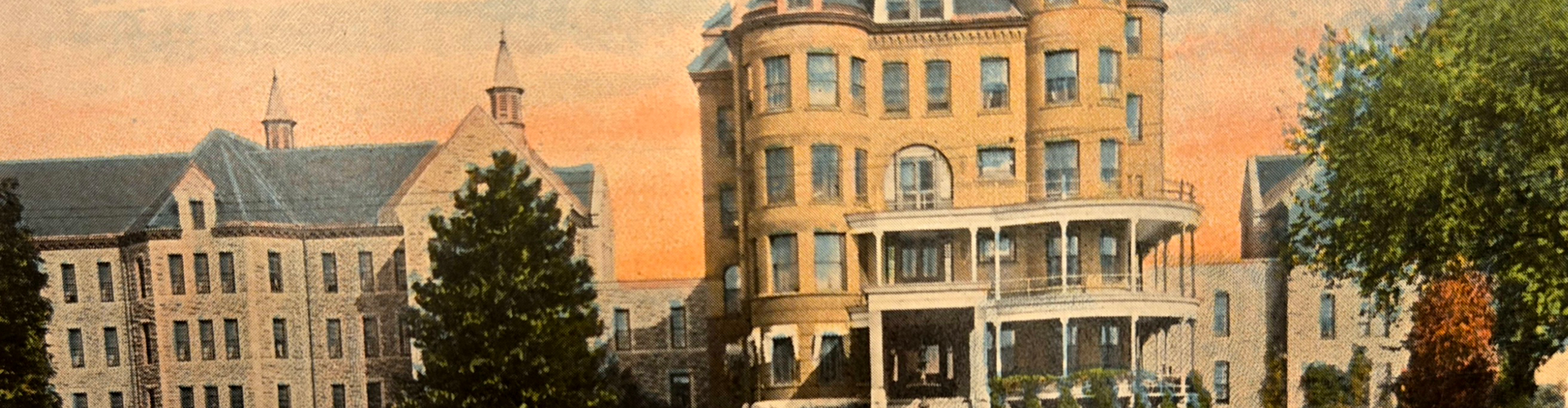
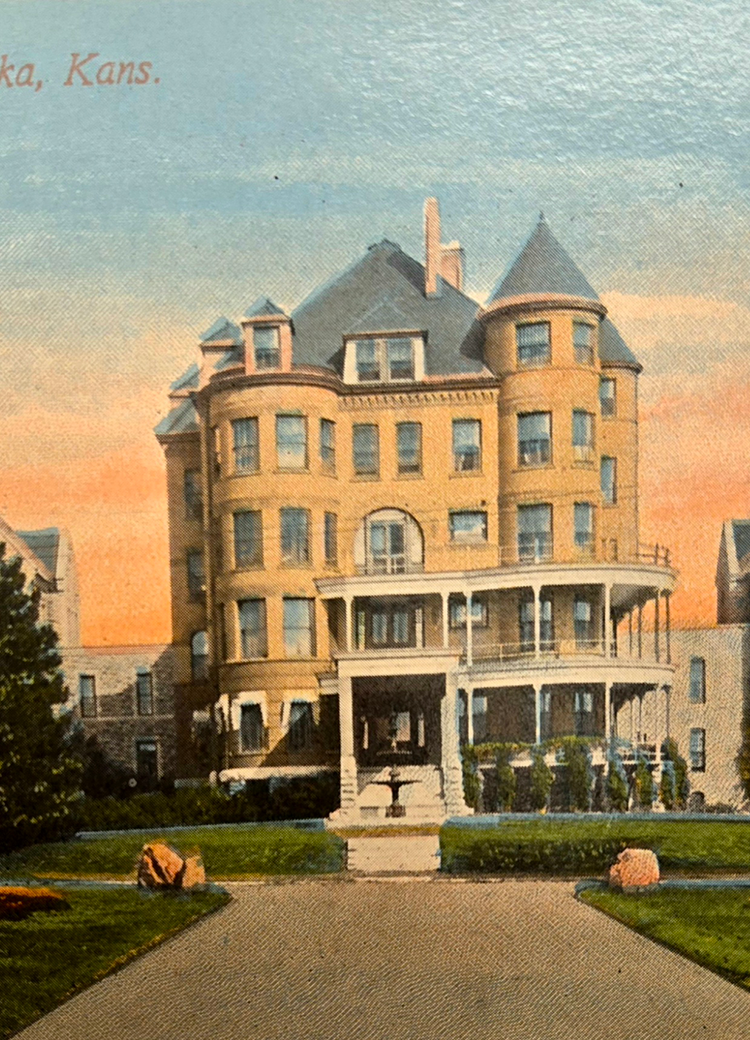
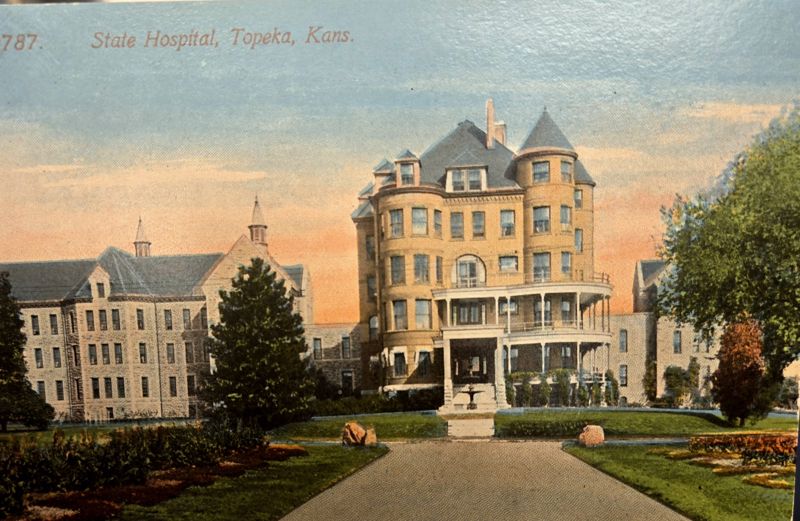 Ground was officially broken in 1876 on a roughly 400-acre site situated along the city's northwest edge. During the next two years, construction progressed on an administration building alongside its first two patient wards. The wards were designed following the Kirkbride architectural model, a popular layout for asylums at the time. The facility, named the Topeka Insane Asylum, officially opened its doors and admitted its first patient on June 2, 1879.
The institution continued operating under its original name through the end of the 19th century. As medical understanding and public attitudes toward mental health evolved, the Kansas Legislature renamed the facility "The Topeka State Hospital" by official act in 1901.
Early Care and Overcrowding
When the asylum first opened, modern mental health treatments did not exist. Instead of receiving medical therapy, patients were given basic daily care focused on healthy meals, strict daily schedules, simple work tasks and pleasant surroundings. Doctors rarely diagnosed patients or provided them with special treatment. This left many to live at the hospital for decades and sometimes the remainder of their natural lives. Patients with severe behavior struggles were often tied down or restrained for long periods.
Conditions grew much worse after World War II due to severe overcrowding and a lack of state funding. By 1949 more than 1,800 patients resided in the hospital. With only three doctors and one nurse on staff at the time, proper care was nearly impossible. The lack of trained workers led to widespread neglect, resulting in several injuries and tragic deaths.
A Turning Point
Things began to change in 1948. That year the Topeka press heavily reported on the Kansas State Board of Health study destingated “A Study of Neglect,” which exposed the negative conditions within the hospital to the public. This forced the legislature to act promptly.
The hospital established a training center for psychology staff with assistance from the Menninger Clinic. The hospital also hired additional staff to lessen the patient load. Rocking chairs were removed and wards were desegregated. All restraints were also removed, including chains and handcuffs. This entire transformation process was completed in 1950.
Final Days
The Topeka State Hospital continued to provide treatment to patients until funding challenges began in the 1980s. According to author Emily Cowan, “In November 1988, the hospital failed to regain its federal recertification after eight months of trying.” This led to a decrease in Medicare and Medicaid funds that made up a whopping 70 percent of the hospital’s budget. This, combined with advancements in psychiatric medications, led to the eventual closing of the Topeka State Hospital in 1997.
Gone, But Not Forgotten
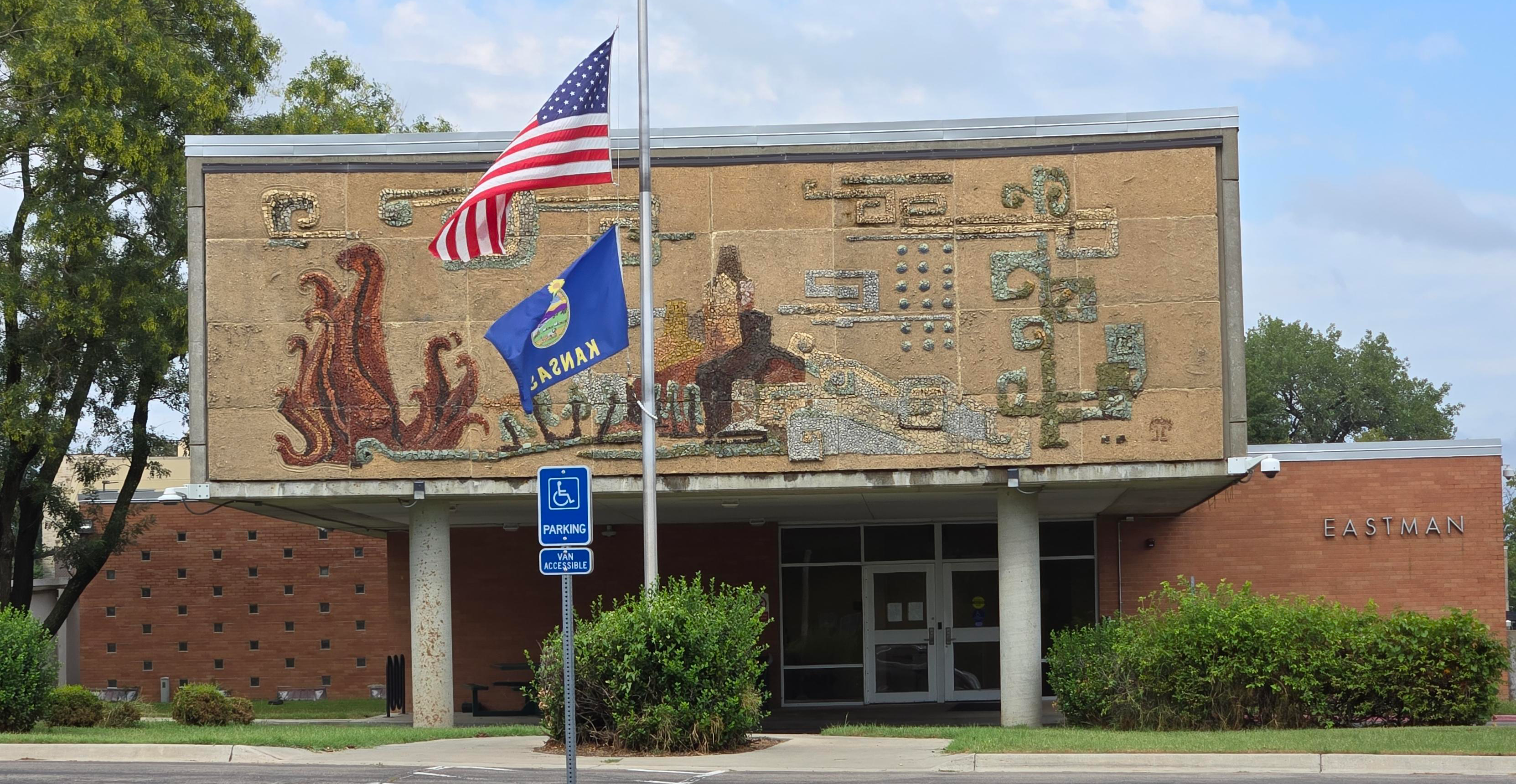 Since their closure in 1997 many of the Topeka State Hospital buildings have largely sat abandoned. Most of them endured severe vandalism and accumulative damage through weather and not-so-welcome visitors. In the early 2000s the decision was made to begin demolition of the campus buildings. The main administrative building was the first to be demolished in 2010. Other buildings followed and now only a few remain on the original campus.
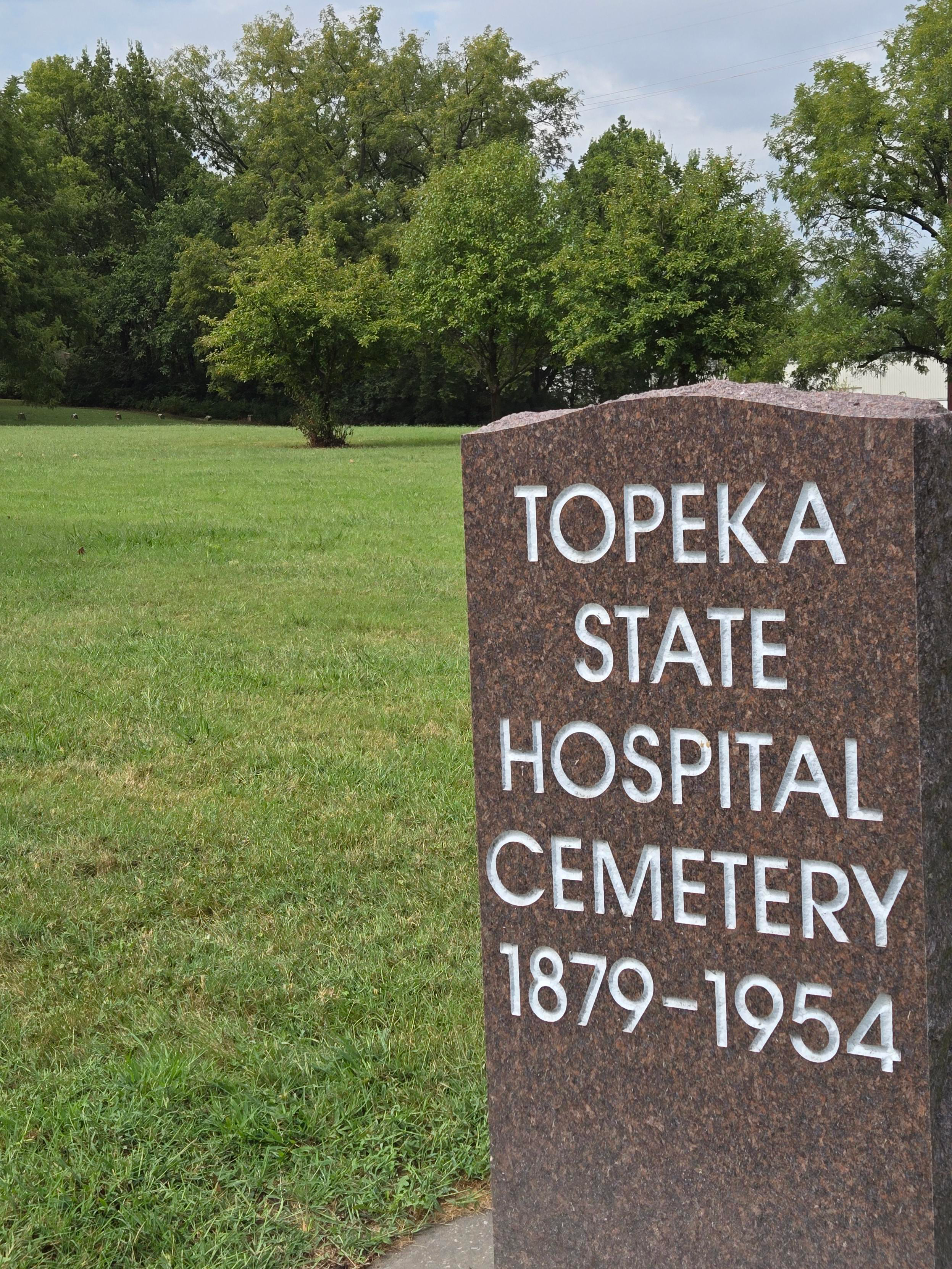 A cemetery is located on the former hospital grounds off MacVicar Avenue near the current Kansas Printing Plant. More than 1,000 former patients were buried here between 1879 and 1954. Most plots are unmarked and only identifiable through original cemetery records. The graveyard measures approximately 150 yards by 50 yards and is marked with concrete pylons at the ends of a total of 15 rows. A memorial wall and several granite monuments were dedicated on May 24, 2006. Seeing the wall serves as a reminder of the struggles, as well as the progression, of mental health treatment in the Topeka community.
To view additional photographs and artifacts from the Topeka State Hospital, please visit our temporary exhibit in the Topeka Room on the library's second floor.
Do you have a Topeka State Hospital memory to share? Please email us at localhistory@tscpl.org.